Real Reviews from Happy Plant Parents
Read genuine reviews from customers who trust Frek for healthy plants, secure packaging, and a great buying experience.
Preeti's Space
Recently I came across Frek Website and Ordered some Cactus for My cactus Bowl Terrarium. Its turn out really well , Plants came very healthy and Nicely Packed. I am so obsessed with these that I had ordered another pack. Thanks Frek Team for Healthy Plants at this low rate.
Asoketaru Bandopadhyay
I have ordered 6 plant in Frek. I was little worry about the conditiin of plant due to long travel. But received all the plant in very healthy condition. Beautiful and more than my expectation. Thanks Frek for sending me beautiful plants. I also thank customer care for listening me carefully and solve the problem.
Swati Srinivas
5 stars to them. They sent me rare and exotic plants within 2 days of dispatch, properly packed, with a good root system and good-sized plants (not very small saplings). Totally recommended for rare plants and succulents. Thanks, Frek! 😊
Sayanti Sikder
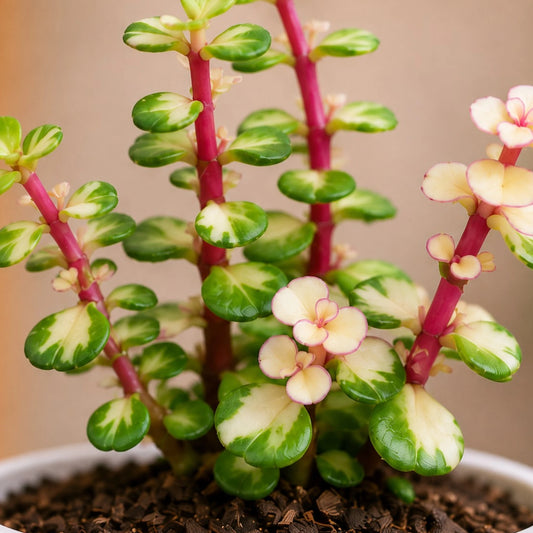
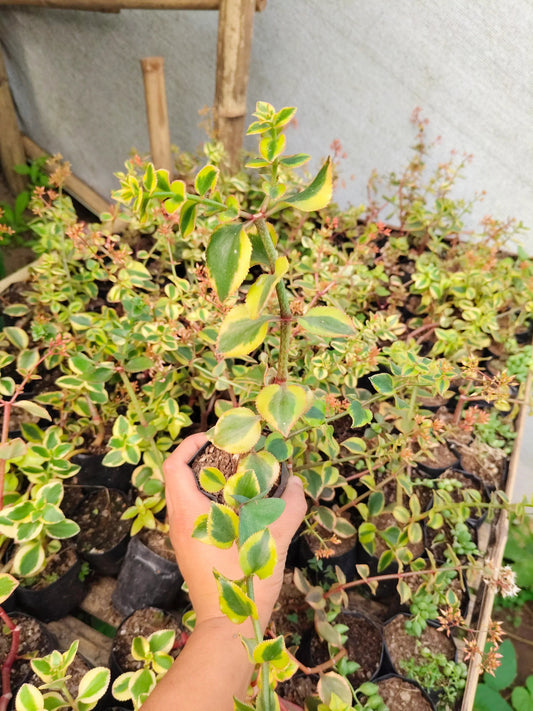
I received a beautiful Portulacaria Afra Pink & White Variegated from Frek, and I couldn't be happier! The plant arrived in excellent health, with outstanding quality and careful packaging. The delivery was quick as well.
It's truly refreshing to see an online plant business from Bengal maintaining such high standards of professionalism while offering genuine, top-quality plants. As someone from Bengal myself, this makes me especially proud. Highly recommended!
Nikita Singh
Best site to buy authentic succulent and bonsai . This was my second oder .i got my plants in healthy form very true to their words .blindly buy from this site .will place my third oder soon .
Adele Godinho
Ordered for 6 succulents on 8th Jan. I was told (by the delivery partner) that I would receive the package after a week or two and was sceptical and worried that the plants wouldn't make it due to the negative clout surrounding online nurseries. But when I contacted Frek's customer support, they immediately reached out and got the issue resolved. The size of the plants were good, especially considering the fact that they're succulents, they were super healthy and in excellent shape. I would definitely recommend Frek if you need plants/succulents at affordable prices.